


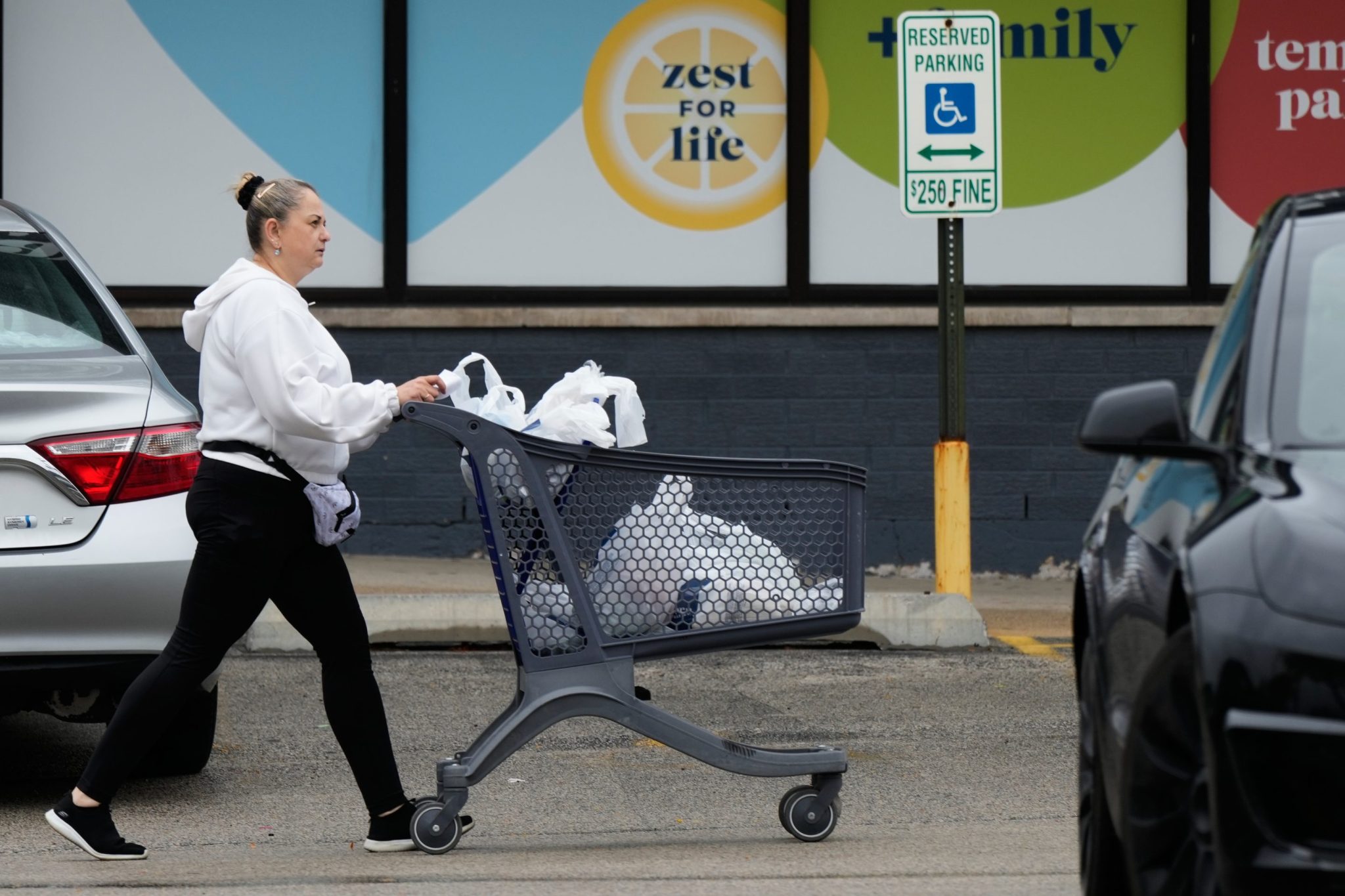
An inflation gauge closely monitored by the Federal Reserve accelerated last month, showing that prices remain elevated less than a week before midterm elections in which the uncomfortably high cost of living for millions of Americans has become a central issue.
Consumer prices rose 3.6% in September from a year earlier, the Commerce Department said Thursday, up from 3.4% in August. On a monthly basis, prices climbed 0.5%, up from 0.3% in August and the highest figure since May.
Rising gas prices drove much of the inflation increase as renewed violence in the Middle East has kept oil prices above $100 a barrel, up from below $70 before the Iran war. But prices also rose outside of fuel costs. The cost of services such as shipping, hotel rooms, and utilities increased rapidly from August to September, a sign that inflation is spreading and growing more entrenched.
“The inflation outlook has become more concerning,” Ksenia Bushmeneva, an economist at TD, a bank, wrote in a commentary on the report. “Price pressures are showing signs of heating up. Elevated gasoline prices are keeping headline inflation hot, but underlying pressures are also broadening.”
Polls show that the rise in inflation has soured most voters on the economy, leading them to give President Donald Trump poor marks on handling rising prices. Trump campaigned in 2024 on lowering the cost of living, including bringing the cost of gas below $2 a gallon. It currently averages about $4.25 a gallon nationwide.
Excluding the volatile energy and food categories, core inflation also picked up last month. It increased 3.1% from a year ago in September, up from 3% in August, the Commerce Department said. And from August to September, core prices rose 0.3%, the same as the previous month.
Separately, the government also said the economy grew at a strong 3.4% annual rate in the July-September quarter, much faster than the 2.2% growth in the April-June quarter, as consumer spending jumped and business investment rose, fueled by spending on artificial intelligence infrastructure.
Consumer spending climbed 3.8% at an annual rate in the third quarter, the second straight quarter of strong growth and far above the 0.7% increase in the first three months of the year.
Yet there are signs that consumers may struggle to maintain that level of spending. Inflation is eroding their incomes: In September, inflation-adjusted incomes, after taxes, declined 0.3% from the previous month. Consumers appear to be dipping into savings or relying on credit to fuel much of their consumption.
“Together with higher borrowing costs, these headwinds are likely to weigh on consumer demand in the coming quarters,” Bushmeneva said.”
The reports come a day after the Federal Reserve, the agency tasked with combatting inflation, left its key interest rate unchanged. Yet strong economic growth and persistently higher prices could mean more pain for Americans when the Fed meets in December. The Fed is much more likely to hike its key interest rate, which could lift borrowing costs across the economy.
Thursday’s inflation data comes from the personal consumption expenditures price index, which typically echoes the better-known consumer price index published earlier this month. The Fed more closely monitors the PCE index because it puts less weight on housing prices and allows for changes in consumers’ shopping habits.